Insurance Reinstatement in Scotland: From Damage Report to Completed Repairs


If you are searching for insurance reinstatement Scotland property owners and managing agents can rely on, you are probably not doing it casually. In most cases, there has already been a leak, flood, fire or storm event, and the real concern is how to move from visible damage and uncertainty to a properly repaired property.
That gap between the initial damage report and completed repairs is where delays, confusion and unnecessary cost can creep in. The cause still needs to be understood, the extent of the damage needs to be evidenced, drying or making-safe works may be required, and the reinstatement itself needs to be planned properly.
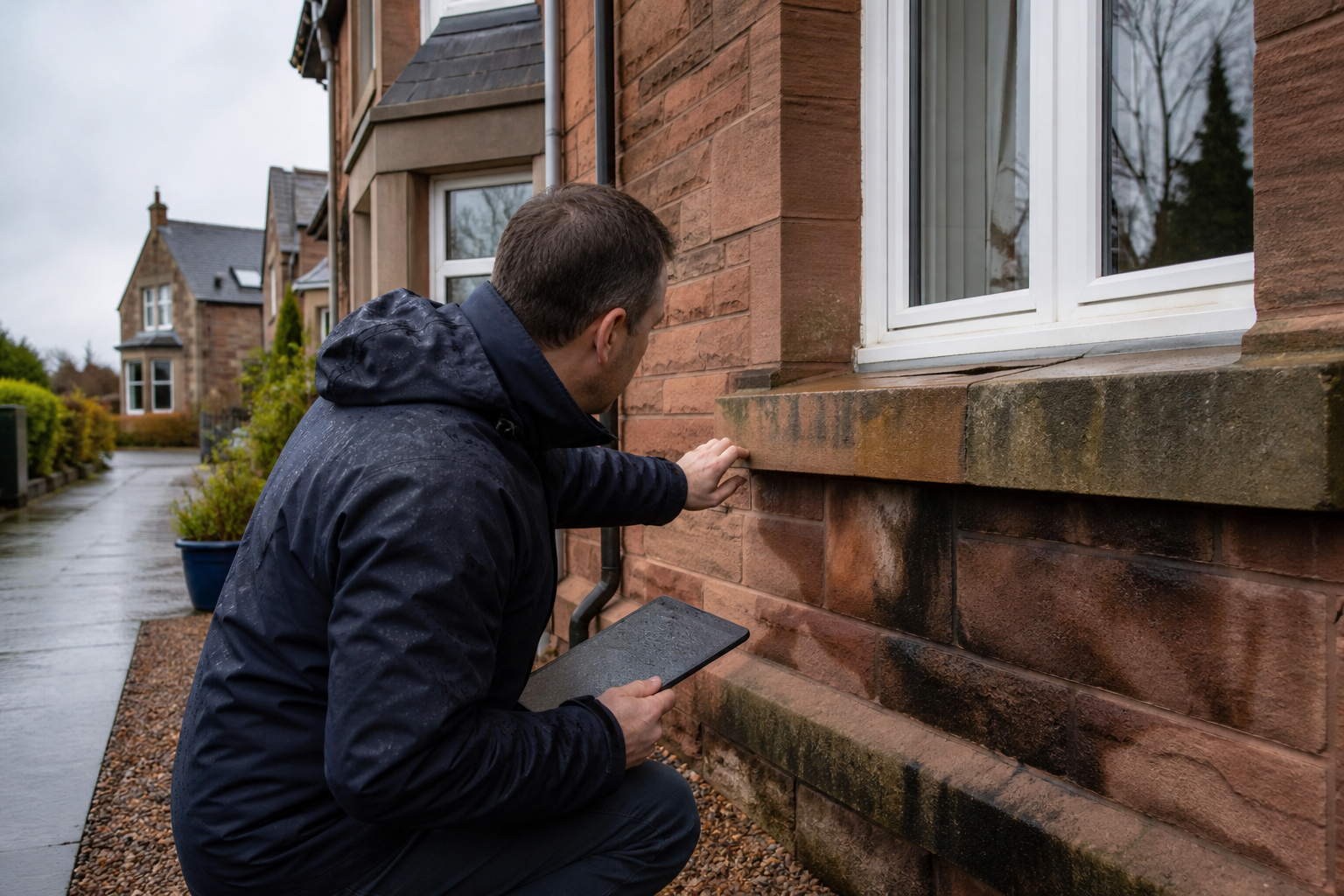
At JDN Property Services Ltd, we take a survey-led, evidence-based approach. All instructions begin with a property survey carried out by an experienced surveyor, followed by a detailed written report outlining findings, likely causes and practical recommendations. Where required, our reports are suitable for submission to insurers, loss adjusters, landlords and managing agents. We can then carry out reinstatement works through our in-house teams, helping to keep the process joined up from diagnosis through to completion.
What insurance reinstatement means in practice
Insurance reinstatement is the repair stage that helps return damaged parts of a property to a sound, usable condition after an insured event, subject to the scope of the claim and the policy terms.
In simple terms, it is not just about decorating over marks or replacing what is immediately visible. Proper reinstatement may involve investigation, drying, strip-out, repair of damaged building elements and making good across multiple trades.
Depending on the situation, that can include:
Repairs after escape of water or flood damage
Fire restoration works
Storm damage repairs
Leak-related internal repairs
Replacement of damaged plaster, joinery, flooring or finishes
Associated damp, timber or moisture-related remedial works where needed
For many owners and managing agents, the main challenge is not knowing which part comes first. That is why a clear process matters.
Insurance reinstatement Scotland: the process from report to completed repairs
1. Initial response and making safe
The first priority is always to stabilise the situation. If a property has suffered fire or flood damage, urgent works may be needed to reduce further loss, protect occupants or secure the building.
JDN Property Services Ltd provides a 24-hour emergency response service for fire and flood incidents, including making-safe works or resecuring a property where required. Early action can be important, especially where water ingress, damaged ceilings, exposed materials or security issues are involved.
2. Survey and evidence gathering
Once the immediate risk is controlled, the next step is diagnosis. This is where many problems are either solved properly or misread from the start.
A survey should establish:
What has happened
Which parts of the building have been affected
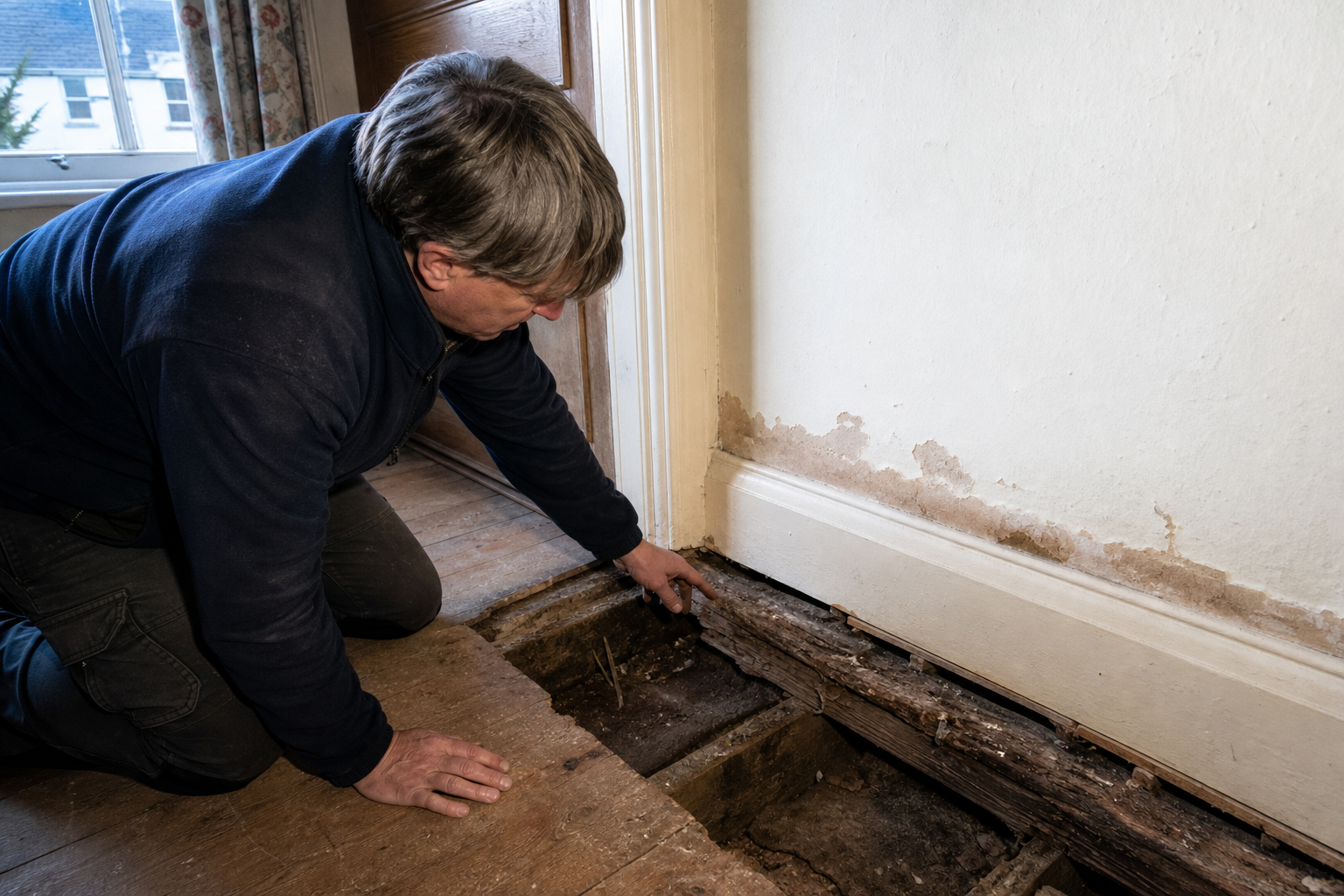
Whether there is hidden moisture or secondary damage
Whether drying, strip-out or further investigation is needed
What reinstatement works are likely to follow
We begin with the survey because visible damage is not always the full picture. Water can travel, finishes can trap moisture, and adjoining materials can be affected long after the initial incident.
3. Written report for the next stage
Once the survey has been completed, the findings need to be turned into something useful. A clear written report helps owners, landlords, managing agents and insurers understand the likely cause, the extent of the issue and the recommended next steps.
This is particularly important where multiple parties are involved. A vague description of “water damage” is rarely enough. A structured report provides a better basis for decision-making and helps define the repair route more clearly.
If you are looking for a contractor that can support both reporting and repairs, our insurance reinstatement services are built around that joined-up approach.
4. Drying, strip-out and preparation
Not every claim moves straight into repairs. In many cases, the property first needs controlled drying, removal of damaged materials or opening-up works to expose the full extent of the issue.
This stage may include:
Removing saturated finishes or damaged sections
Building drying and water drying
Monitoring moisture levels
Preparing the affected areas for reinstatement
This is one of the most important parts of the overall process. Repairing too early can trap moisture and create longer-term problems. A measured approach is usually better than rushing to cover the damage.
Where moisture is part of the picture, our wider building drying and property repair support helps keep the works coordinated rather than fragmented between several contractors.
5. Reinstatement works
Once the property is ready, the reinstatement phase can begin. This is the stage most people picture when they think about repairs, but it works best when it follows proper diagnosis and preparation.
Depending on the damage, reinstatement may involve:
Repairs to plaster and internal finishes
Joinery and flooring repairs
Repairs after storm-related water ingress
Making good after fire or smoke-related damage
Associated timber or damp remedial work where identified
Final decoration and finishing work where included within scope
Because our teams are in-house and experienced in specialist remedial and reinstatement work, we are able to provide continuity from the survey stage through to completion.
6. Final checks and handover
The last step is making sure the scope has been completed properly and the property is ready to return to normal use. For landlords and managing agents, this matters just as much as the initial repair because the end result needs to be practical, durable and clearly communicated.
Good handover is not just about saying the work is done. It is about confidence that the cause was properly considered, the right repairs were carried out and the property has been put back into a sound condition.
What homeowners, landlords and managing agents should prepare
If you want the process to move more smoothly, it helps to gather the right information early. This does not need to be complicated, but it should be clear.
Date and nature of the incident
Photos of the damage and any visible progression
Claim reference if one has already been issued
Any previous reports or contractor notes
Access details for the property
Information on whether the property is occupied, tenanted or vacant
For managing agents and landlords, access coordination is often one of the biggest practical issues. A good repair plan depends on being able to inspect properly and carry out the required stages in the right order.
Common reasons insurance reinstatement work gets delayed
Even where the damage is obvious, the route to repair is not always straightforward. Some of the most common causes of delay include:
Unclear diagnosis
If the cause and extent of damage are not properly assessed at the start, the scope often changes later. That can slow down decisions and increase disruption.
Hidden moisture or concealed damage
Water does not always stay where it first appears. Moisture can track into adjoining rooms, floor voids, wall bases and timber elements.
Repairs starting before the property is ready
Where drying or strip-out is needed, pushing ahead too early can create avoidable problems and rework.
Too many separate contractors
When surveying, drying and reinstatement are split between several parties, communication gaps can appear. A joined-up service can help reduce that friction.
Access and occupancy issues
This is especially relevant for rented properties, blocks and managed portfolios, where arranging access can affect the timetable just as much as the technical work itself.
Why a survey-led contractor matters after property damage
Not all damage claims are straightforward. A stained ceiling might be linked to a leak from above, but it can also involve hidden moisture, damaged substrates or wider remedial issues. A storm-related ingress problem may look localised at first, yet have broader implications once the affected materials are opened up.
That is why our process starts with evidence, not assumptions. JDN Property Services Ltd is an established property preservation and insurance reinstatement contractor based in Wishaw, working across Glasgow, Edinburgh and beyond the Central Belt. We specialise in survey-led diagnosis, written reporting and in-house repair delivery.
Where a case also involves dampness, timber concerns or longer-term property performance issues, our survey and remedial services allow us to assess the wider condition rather than focusing only on the visible finish damage.
For clients, that means:
One clear starting point
Evidence-based recommendations
Reports suitable for submission to insurers and loss adjusters where required
Continuity from diagnosis through to reinstatement works
Clearer communication during what is often a stressful period
When to speak to a specialist
It is sensible to seek professional input quickly if:
The damage is spreading or worsening
There has been significant water ingress, flooding or a fire incident
You are unsure whether the property needs drying before repair
You need a written report for an insurer or loss adjuster
You manage a tenanted or multi-party property and need a clear scope of works
You want one contractor to handle the route from survey to completed repairs
Early advice can help avoid wasted time, patch repairs and repeated disruption.
Frequently asked questions
What does insurance reinstatement cover in Scotland?
Insurance reinstatement usually refers to the repair works needed to return damaged parts of a property to a sound condition after an insured event, subject to the policy terms and agreed scope. It may follow emergency response, drying, strip-out and investigation.
Can JDN Property Services Ltd provide a report for my insurer or loss adjuster?
Yes. All instructions begin with a property survey carried out by an experienced surveyor, followed by a detailed written report. Where required, reports are suitable for submission to insurers, loss adjusters, landlords and managing agents.
Do reinstatement works start immediately after damage?
Not always. Some properties need making-safe works, investigation, moisture assessment or drying before reinstatement can begin. Starting repairs too early can delay the overall outcome rather than improve it.
Do you carry out drying as well as repairs?
Yes. JDN Property Services Ltd offers building drying and water drying alongside insurance reinstatement, fire restoration, flood restoration and leak-related repair work.
Do you only cover Wishaw?
No. We are based in Wishaw, ML2 7UR, and work throughout Glasgow, Edinburgh and beyond the Central Belt, with instructions across Scotland.
Conclusion
Property damage is stressful enough without a disjointed repair process. The most effective route is usually the one that starts with proper diagnosis, produces clear written evidence and carries the job through to well-managed reinstatement works.
If you need a report for your insurer or reinstatement works after property damage, speak to JDN Property Services Ltd about a survey and the next steps. Call 01698 609001, email info@jdnpropertyservices.co.uk, or visit jdnpropertyservices.co.uk to discuss your property.